

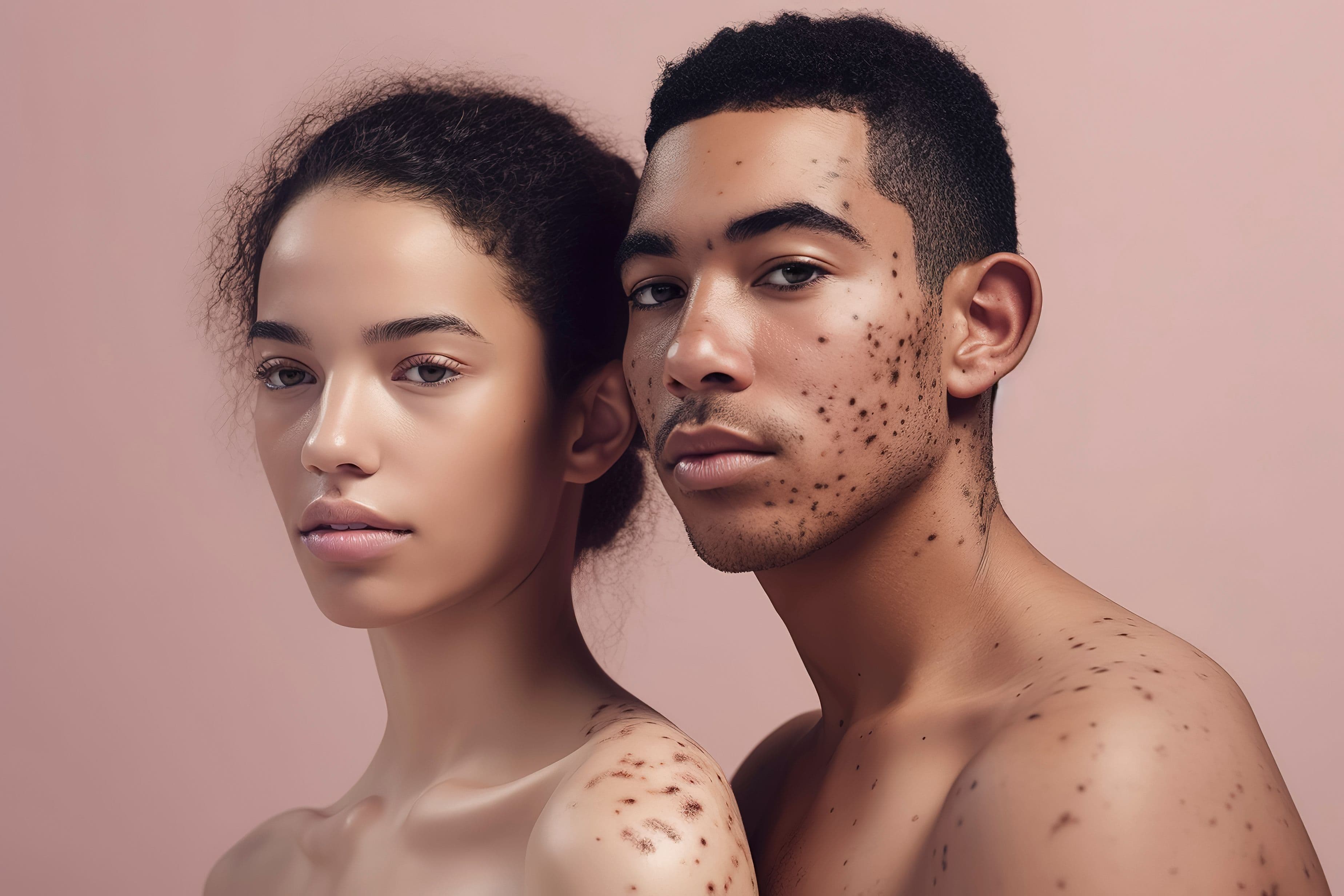
Skin discoloration or pigmentation refers to changes in the color of your skin caused by varying melanin production. These changes can appear as dark spots, patches, or lighter areas of the skin. While these changes are often harmless, they can sometimes indicate an underlying health issue. Let’s explore the causes, types, and effective treatments to help you achieve a uniform, glowing complexion.
What Is Skin Discoloration or Pigmentation?
Skin discoloration occurs when the production of melanin (the pigment responsible for skin color) becomes uneven. This can cause patches of dark or light skin. While typically harmless, it can affect your self-esteem or even be a sign of an underlying condition.
Common Causes of Skin Discoloration:
- Sun Exposure: Ultraviolet (UV) rays stimulate melanin production, causing sunspots and age spots.
- Hormonal Changes: Conditions such as pregnancy, menopause, and contraceptive use can cause melasma, resulting in brown patches, especially on the face.
- Inflammation or Injury: After acne, cuts, or burns, dark spots may remain—this is known as post-inflammatory hyperpigmentation (PIH).
- Medical Conditions: Disorders like vitiligo cause the loss of pigmentation, resulting in lighter patches.
- Medications: Certain drugs can also lead to skin discoloration as a side effect.
Types of Skin Discoloration:
- Hyperpigmentation – Darkened areas of the skin caused by excess melanin (e.g., melasma, sunspots, PIH).
- Hypopigmentation – Lighter areas of skin caused by a reduction in melanin, such as in vitiligo or albinism.
- Erythema – Reddened skin often associated with rosacea or skin irritation.
Professional Treatments for Skin Discoloration at Fanous MedSpa
At Fanous MedSpa, we offer advanced treatments designed to address skin discoloration and restore your natural glow. Our professional treatments include:
VI Peel
VI peels exfoliate the skin to promote cell turnover, improving the appearance of pigmentation irregularities. With regular treatments, you can reveal smoother, more even skin.
Discover VI Peels Benefits
LED Therapy
This non-invasive treatment uses therapeutic light to reduce redness, fade discoloration, and enhance overall skin tone. LED therapy helps you achieve clearer, more even-toned skin.
Discover LED Therapy Benefits
Microneedling
Microneedling stimulates collagen production, helping to reduce the appearance of pigmentation issues and improve skin texture.
Discover Microneedling Benefits
Radiance Bloom
Our Glowing IV Hydration infuses the skin with essential vitamins and antioxidants, promoting healing and even skin tone. It’s the ultimate boost for your skin from the inside out.
Discover Radiance Bloom Benefits
Hydro Diamond
Hydro Diamond is a minimally invasive procedure that exfoliates and smooths skin, reducing the appearance of pigmentation issues and leaving your skin refreshed.
Discover Hydro Diamond Benefits
Your Journey to Smoother Skin Starts Here
At Fanous MedSpa, we believe confidence begins with the right care. Our treatments are designed to smooth, lift, and rejuvenate, helping you achieve the youthful glow you’ve always wanted.
Download the Fanous MedSpa App to schedule appointments and access exclusive offers right at your fingertips. Your journey to smoother, healthier skin starts today.
Download App, Claim Offer
Download NowFAQs

Skin discoloration occurs due to uneven melanin production caused by factors like sun exposure, hormonal changes, inflammation (e.g., post-inflammatory hyperpigmentation), or medical conditions like vitiligo. Certain medications may also contribute to discoloration.
Hyperpigmentation isn’t always permanent. Professional treatments like Chemical Peels, Microneedling, and Hydro dermabrasion can significantly reduce its appearance. Consistent sun protection and skincare are essential to maintain results.
The timeline depends on the treatment and severity of the discoloration. LED Therapy and Chemical Peels may show results after a few sessions, while deeper treatments like Microneedling could require multiple sessions for optimal improvement.
Yes, conditions like melasma and vitiligo often have genetic components. A professional consultation can help determine the most effective treatment for these hereditary concerns.
For improving skin tone and texture, treatments like Hydrodermabrasion, LED Therapy, and Chemical Peels are highly effective. They target discoloration and uneven pigmentation to restore a radiant, even complexion.
Yes, preventive measures include wearing broad-spectrum sunscreen daily, avoiding triggers (e.g., harsh sun exposure or certain medications), and maintaining a healthy skincare routine with antioxidants and gentle exfoliants.
Related Concerns